Advanced manufacturing pathway
Build the skills behind tomorrow’s technology.
Learn 3D printing through immersive simulation, real equipment practice and industry-connected training.
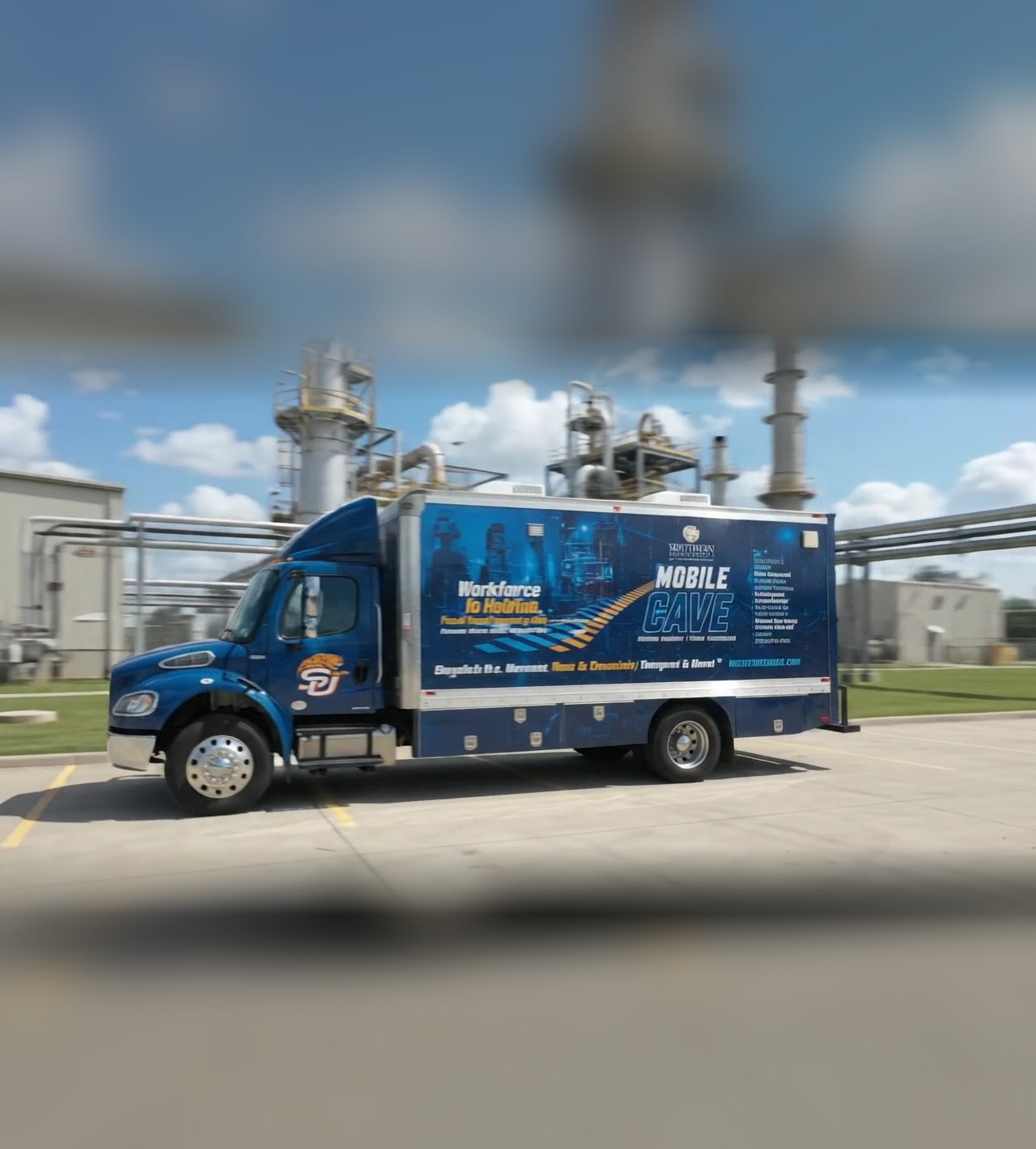
Designed to travel with the Southern University Mobile CAVE, presented with the CAAV. The truck comes to your plant, school or college.
Train Virtually. Build Confidently. Manufacture the Future.
Why it matters
Practice first. Then the real machine.
Traditional 3D printing training needs costly equipment, materials, supervision and safety procedures. That limits who gets to practice. A virtual environment gives beginners repeatable practice before supervised hands-on training.
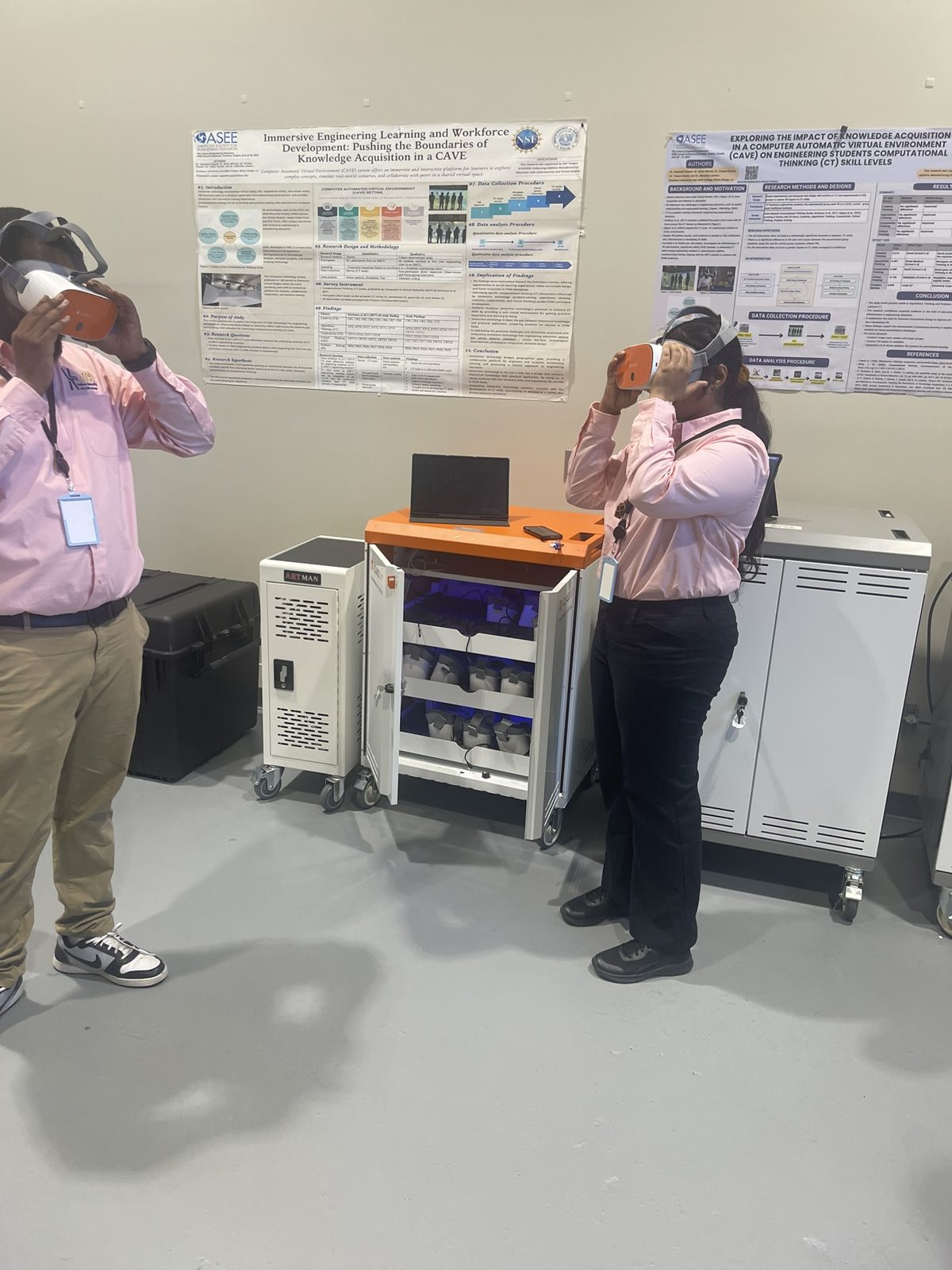
Practice happens in the classroom on VR headsets and in the Southern University Mobile CAVE, where learners wear 3D glasses.
More informationFour reasons
Access
Open advanced manufacturing education to more people. The Mobile CAVE brings it to the learner’s site.
Less waste
Cut equipment wear and material waste in introductory training. First lessons happen in the 3D CAVE inside the truck.
Measured skill
Build competencies through simulations and assessments.
Pathways
Lead to more training, credentials where available, apprenticeships and jobs.
The VR environment prepares learners. It does not replace physical equipment training or required safety certification.
How the AM Lab works with the Mobile CAVE
One truck. One 3D printing track.
The Southern University Mobile CAVE is a transportable, interactive 3D training room on a truck. Students built it. Industry experts outfitted it. It comes to a plant, school, hospital or agency site.
Southern University lists eight fields for the Mobile CAVE. Manufacturing technologies is one of them. The AM Lab is the 3D printing track for that field. Here is how it works.
Book the truck
A plant, school or college books a Mobile CAVE visit through Immersion in Motion.
The truck comes to you
The Mobile CAVE parks at your site. Learners do not have to travel.
Train inside the truck
Learners step into the CAVE, put on 3D glasses and work through the printer modules: the parts first, then a full print job.
Print for real
Hands-on printing happens with an instructor, at a print station that travels with the truck or at your site.
The Mobile CAVE grand opening will be at Southern University in Baton Rouge; the date will be announced. Project Director: Deidre Hardy Street.
Educating the workforce of tomorrow
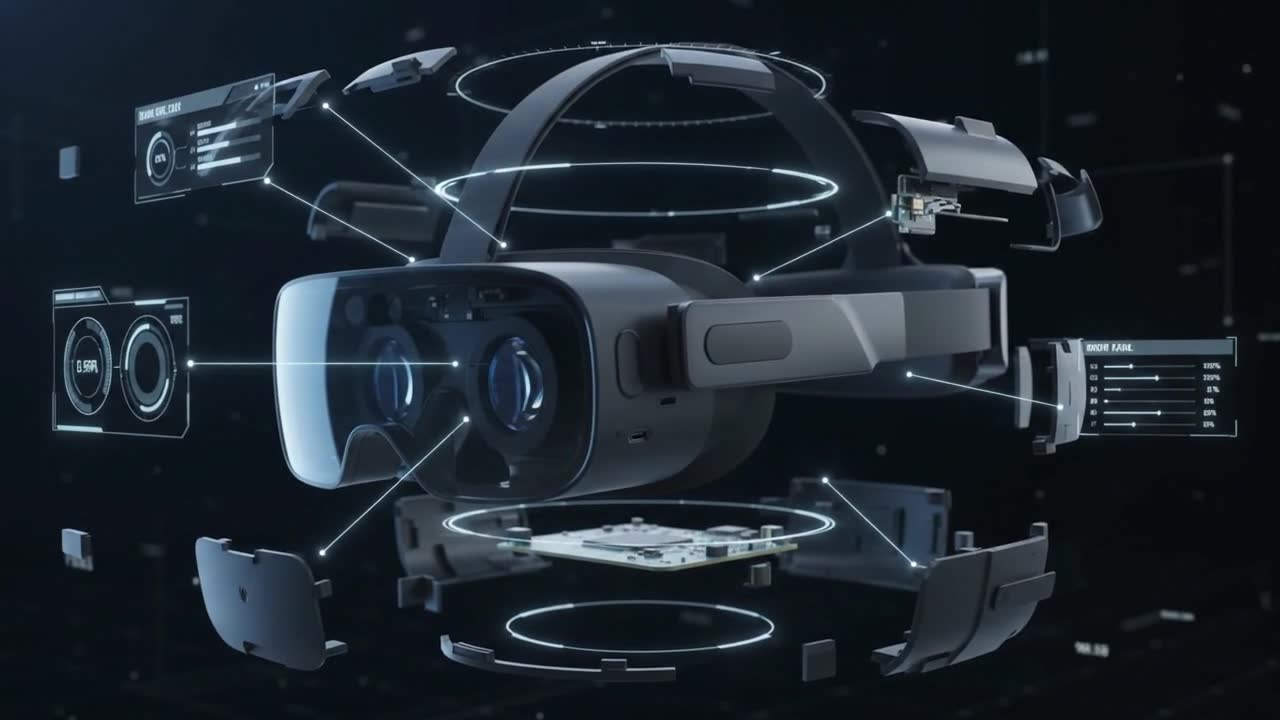
Open the truck. See the training inside.
ScrollInside the truck, learners practice in 3D. The AM Lab adds the VR gear and the 3D printer they learn to run.
AI-generated animation. Scroll to open the truck and see the training inside.
What the prototype shows
Two VR modules, from parts to a full print job.
Learners run these modules on VR headsets in the classroom, or with 3D glasses in the Mobile CAVE when the truck visits.
Module 2
Printer Components
Learners interact with a virtual printer, identify components, see highlighted parts, get guidance and complete a knowledge check.
Module 6
Print Job Operations
Learners practice a print job from preparation to simulated completion, with guidance and feedback.
| Capability | Instructional value |
|---|---|
| Interactive 3D models | Explore equipment without physical contact |
| Component highlighting | Identify important printer components |
| Visual and voice feedback | Guide learners through activities |
| Event-driven interactions | Control instructional sequences |
| Embedded assessments | Evaluate participant knowledge |
| Modular software | Update training components separately |
| VR headset support | Deliver immersive training |
The prototype used Blender for 3D modeling, Unity 2022 for the application, XR interaction tools and OpenXR, with deployment for Meta Quest and a CAVE-style environment.
Beyond the printer
One VR tool. Many kinds of training.
The VR training tool is not only about 3D printers. The same approach can be built around any industry’s own equipment and jobs.
Your equipment
Training is built around the machines and tools a workplace already uses.
Your jobs
Lessons follow the real tasks and safety steps of each job.
Your site
With the Mobile CAVE, that training comes to your plant, school or agency.
Healthcare, energy, logistics and skilled trades can use the same kind of VR training. Each one gets its own content, review and safety checks.
Eight modules
Blended learning, not VR alone.
Some modules run in the Mobile CAVE. Others need a classroom, a computer lab or a real printer.
| Module | Learning objective | Delivery |
|---|---|---|
| 1. Introduction to Additive Manufacturing | Understand 3D printing, industry uses and careers | Video, instructor-led |
| 2. Printer Components | Identify printer parts and functions | Existing VR tutorial |
| 3. Workplace and Equipment Safety | Recognize hazards, PPE and safe procedures | Instructor-led, simulation |
| 4. Digital Design Fundamentals | Understand CAD models and basic design | Computer lab |
| 5. Print Preparation | File preparation, materials, printer settings | Simulation |
| 6. Print Job Operations | Practice the workflow of a print | Existing VR simulation |
| 7. Quality Control and Troubleshooting | Identify defects and likely causes | Simulation, physical lab |
| 8. Applied Manufacturing Project | Design, print, inspect and present an object | Supervised hands-on lab |
Module 8 runs at a print station that travels with the truck, or at a partner site.
A 40-hour introduction
Each skill is checked and recorded on its own. Finishing the course is not a professional certification.
Where it fits
One pathway inside a larger workforce effort.
The AM Lab is the 3D printing specialty within Advanced Manufacturing. It shares recruitment, case management, employer engagement and reporting with the wider program: Construction and Trades, Healthcare, Advanced Manufacturing, Logistics and Technology.
Learners come through schools, community organizations, workforce centers, reentry programs or direct application. The related program is sub-project SP-05 (ADV-MFG) of Immersion in Motion: the Southern University Mobile CAVE, presented with the CAAV. The Mobile CAVE can also go to the learners.
AI-generated clips from the Immersion in Motion films.
Learn Before You Build
Explore industrial technology in a guided virtual space before working with machines. That space is the Mobile CAVE.
From Virtual Practice to Real Skills
Connect virtual instruction, hands-on fabrication, assessments and career preparation.
Sponsor the Next Generation of Makers
Back technology access, equipment, mentorship and the regional workforce pipeline.
The wider plan
Part of a bigger plan.
The AM Lab is one piece of a wider immersive workforce plan. Other pieces share the same tools and goals.
Southern University’s Immersive Technology Center
The shared base for the plan. It has a VR development studio, a headset lab, fixed CAVE rooms, K–12 outreach and faculty training.
STEM Readiness & Workforce Resilience Lab
Short VR practice scenarios on test pressure, email overload and peer feedback. They help learners build confidence, organization and communication. Education and research only. It is not a mental health test and is never used to screen or hire anyone.
Research and responsible use
Studies combine what learners do in the scenario with their own questionnaires and reflections. All of it runs under consent, privacy and safety rules.
How they fit: the AM Lab teaches the technical skill, the Immersive Technology Center supplies the shared tools, and the Resilience Lab supports confidence and communication.
Southern University’s labs
The labs already on campus.
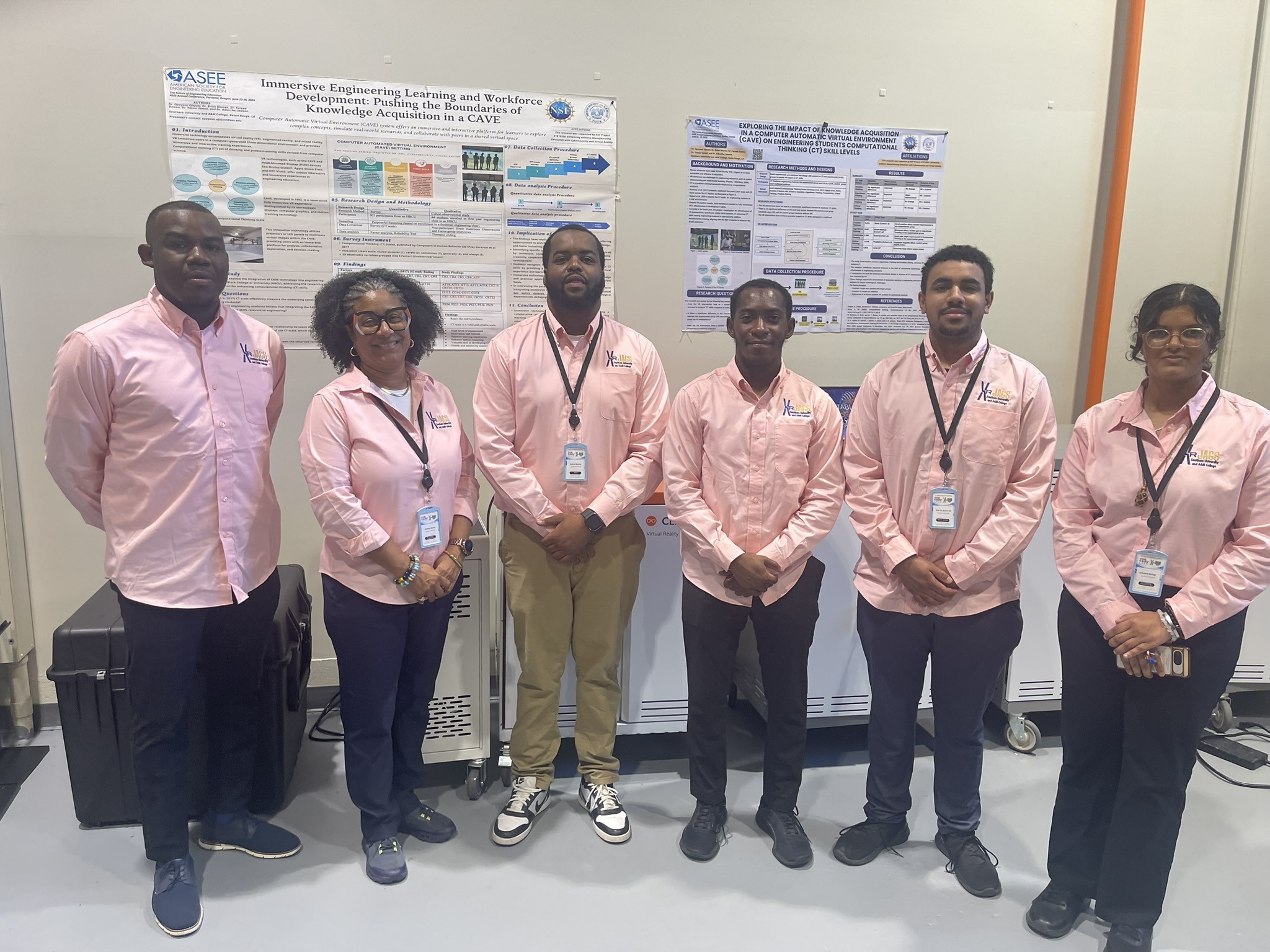
Southern University already runs labs, research projects and programs in 3D printing, virtual reality and 3D projection. Each one has its own page. Together they show where the AM Lab pathway leads.
 01
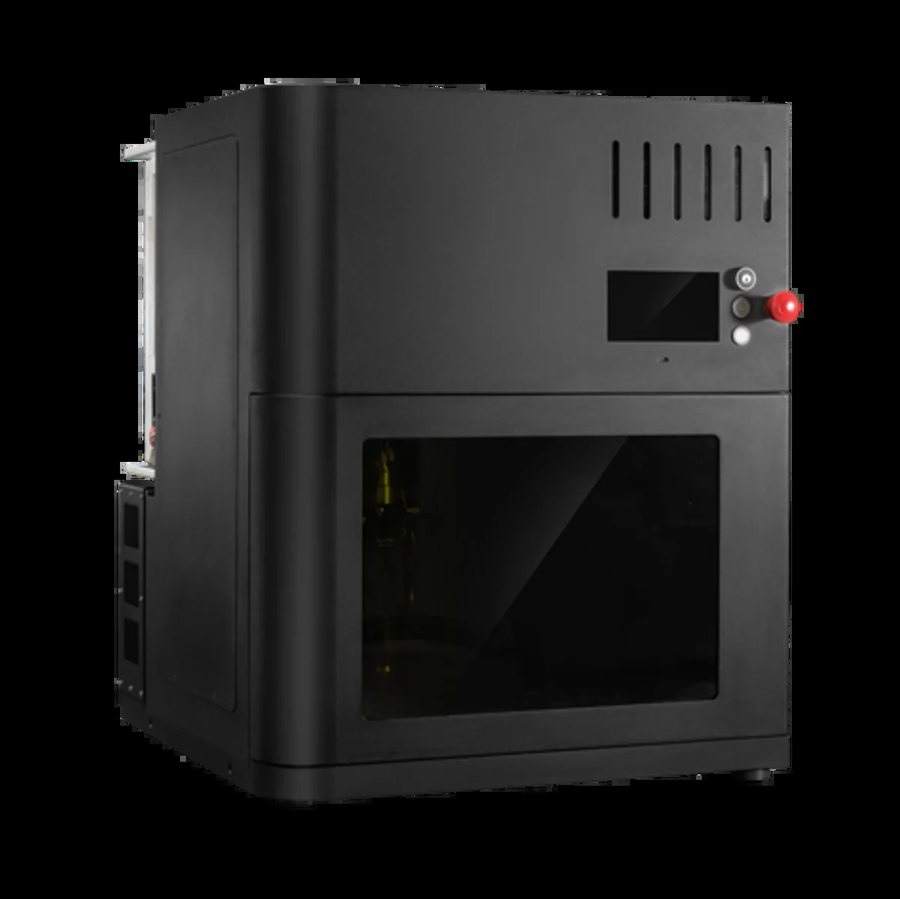
Metal 3D printing lab
Metal printers, a wire EDM, a CNC lathe and a nanoindenter. Graduate research today.
Open 02
Polymer 3D printing lab
Plastic parts, fast prototypes and materials testing.
Open 03
XR Development Studio
Where VR lessons and research tools are built, with its own headset fleet.
Open 04
Stationary CAVE
A fixed 3D projection room on campus.
Open 05
Classroom VR and teacher training
VR headsets and STEM lessons in K–12 classrooms, through SURADD.
Open 06
Computational thinking research
An NSF-supported study comparing students who learn with VR and without it.
Open 07
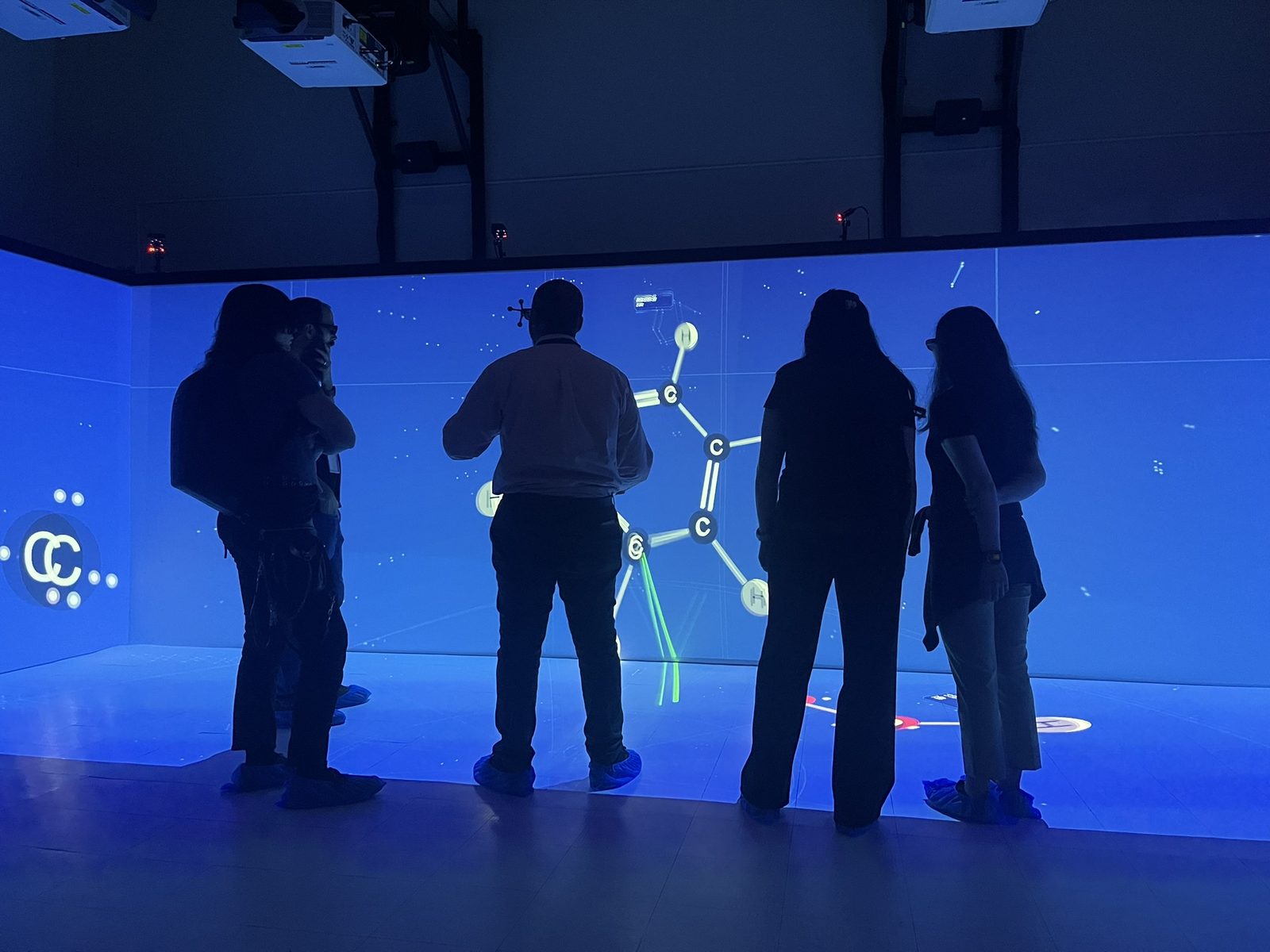
CAVE demo: chemistry molecules
A chemistry demo: 3D molecules on the walls and floor of the stationary CAVE.
OpenCovered elsewhere
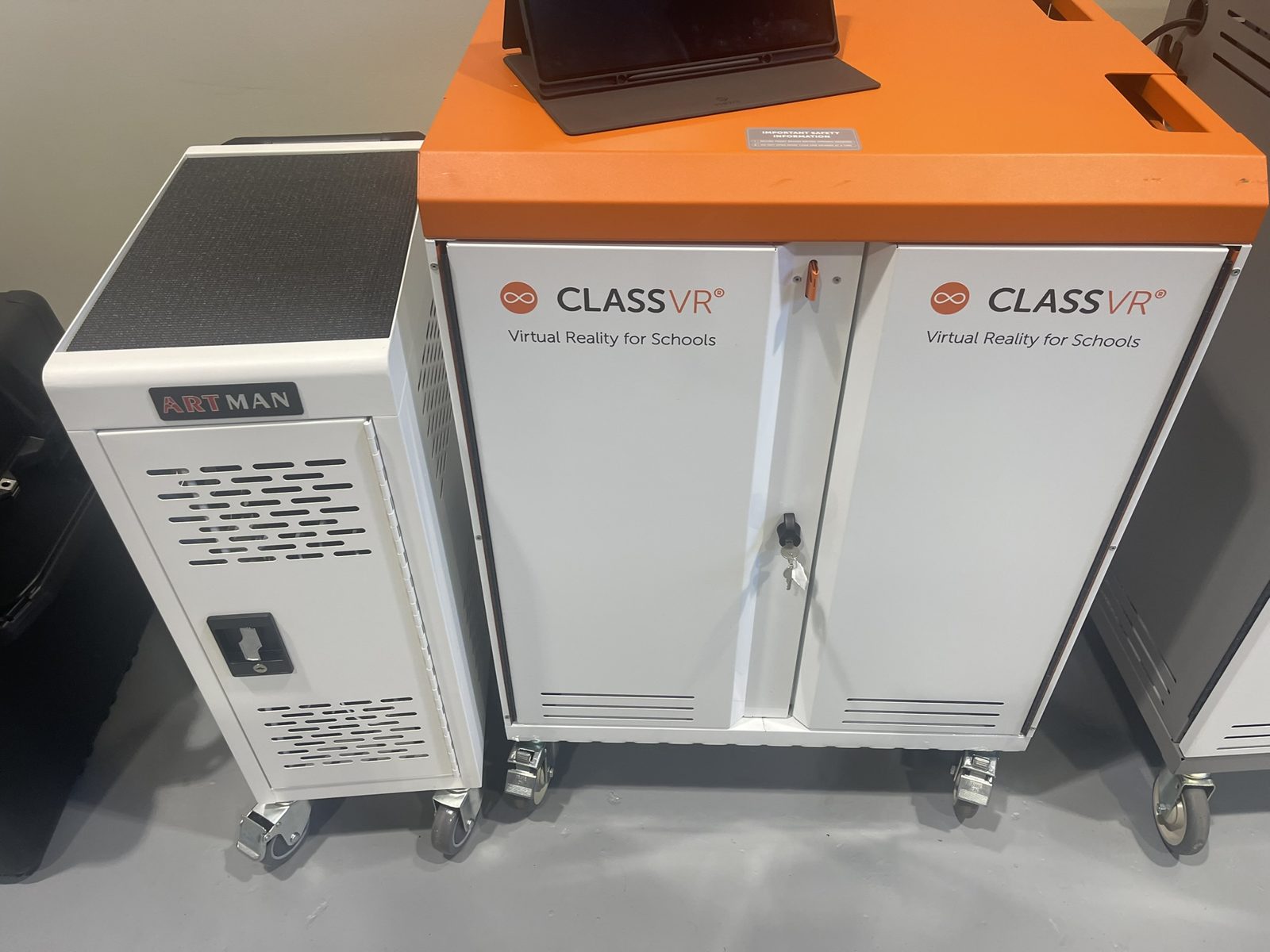
From an October 2026 site visit and published university listings.
Sponsor the lab
Fund a lab. Or one piece of it.
A sponsor backs the 3D printing track that travels with the Mobile CAVE: the printer modules in the classroom and the truck, and the hands-on printing at each stop.
| Level | Amount | Supports |
|---|---|---|
| Founding Additive Manufacturing Partner | $100,000+ | Major lab infrastructure, training systems, multi-cohort support |
| Advanced Manufacturing Lab Sponsor | $50,000 | Equipment, software, curriculum delivery, instructor development |
| VR Technology Sponsor | $25,000 | Headsets, workstations, software integration, simulation access |
| Student Training Sponsor | $10,000 | Participant materials, supervised training, support services |
| Community Maker Sponsor | $5,000 | Career events, demonstrations, intro learning |
Gifts in kind are welcome: equipment, software licenses, printing materials, refurbished workstations, expertise, volunteer hours and supervised access to manufacturing facilities.
Partners the lab is looking for
| Category | Examples |
|---|---|
| 3D printing | Printer and materials makers |
| Industrial manufacturing | Plants and chemical producers |
| Engineering software | CAD and design software companies |
| Immersive technology | VR hardware and software providers |
| Regional manufacturing | Local fabrication and industrial firms |
| Higher education | Universities and technical colleges |
Grants
Funders that fit the lab.
These grant programs and funders match the lab’s mix of VR training, hands-on printing and workforce goals.
National Science Foundation; U.S. Department of Labor; U.S. Department of Education; Louisiana Workforce Commission; Manufacturing Extension Partnership network; corporate and community foundations.
Measuring results
Show what was practiced and what was proven.
VR completion is recorded separately from hands-on equipment competency. Funders and employers need to see the difference.
| Category | Measurement |
|---|---|
| Access | Recruited, enrolled, active |
| Learning engagement | VR sessions, modules completed, practice attempts |
| Knowledge | Pre and post assessments |
| Technical proficiency | Component identification, workflow completion, safety knowledge |
| Hands-on proficiency | Instructor-checked equipment skills |
| Completion | Required modules finished |
| Career progression | Further training, credentials, apprenticeships |
| Employment | Confirmed placements, wages, retention |
| Sponsor impact | Training access, equipment use, participants supported |
Safety and access
Safe in the headset. Safe at the printer.
Virtual reality
Headset hygiene, supervised use, accessibility alternatives, session length, movement boundaries and a plan for motion sickness or discomfort.
Physical printing
Hot surfaces, moving parts, electrical safety, ventilation and emissions, materials handling, fire prevention and maintenance.
The technical support plan covers updates, device compatibility, bug fixes, assessment accuracy and secure learning-data transfer.
Twelve months
-
Months 1–2
Review the prototype, licensing, training goals, safety needs and industry input. Test how the modules run in the Mobile CAVE with 3D glasses.
-
Months 2–4
Finalize equipment costs, sponsor packages, grant applications and agreements. Include how the track uses the Mobile CAVE.
-
Months 4–6
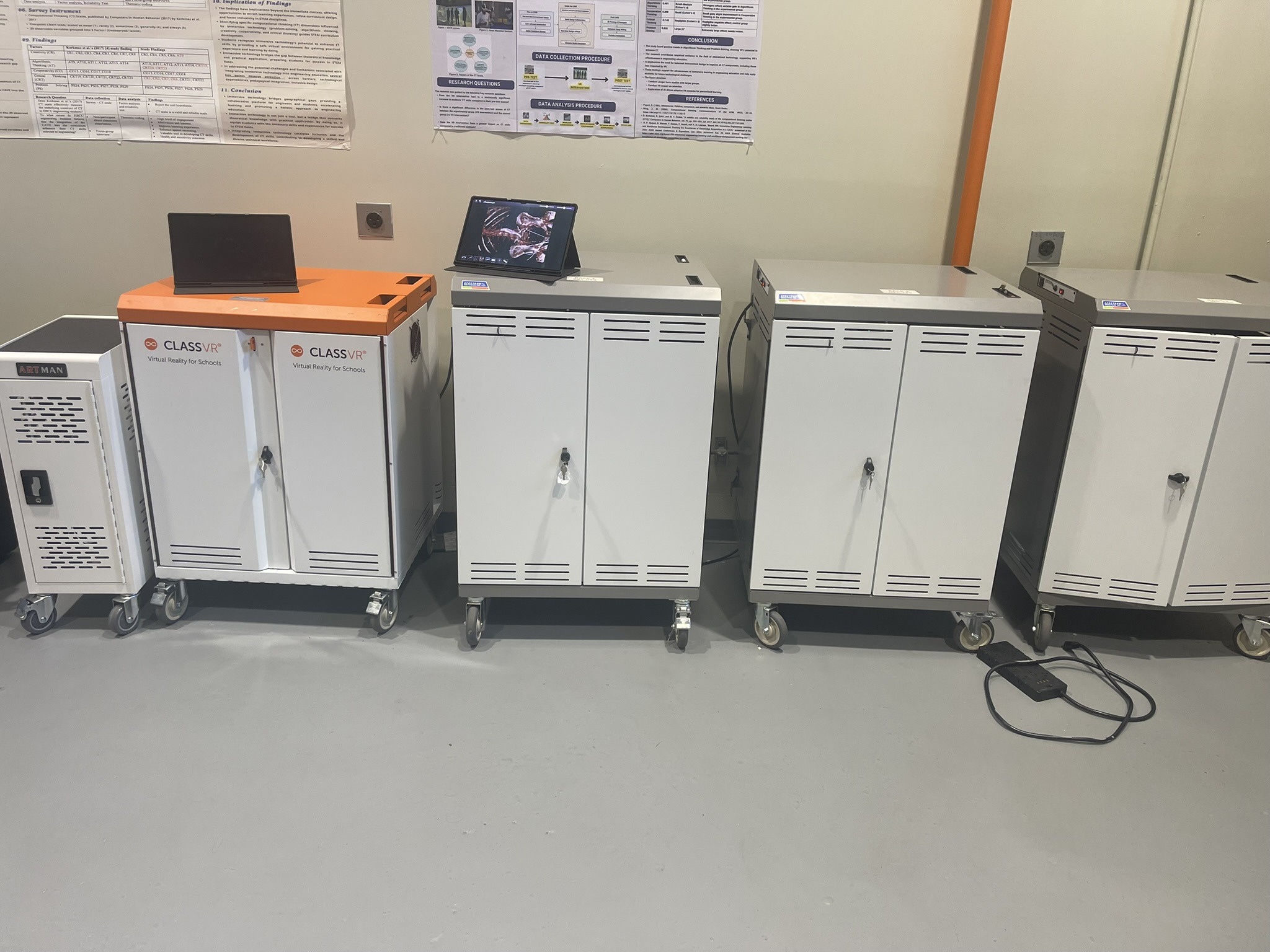
Prepare the facility, buy equipment, adapt VR content for the classroom and the Mobile CAVE, build assessments, train instructors. Plan a print station that travels with the truck.
-
Months 7–9
Recruit a first cohort, deliver training, assess competencies, collect feedback. Bring the Mobile CAVE to a first partner site.
-
Months 10–12
Check outcomes, report to funders, revise training, plan the next cohorts and truck stops.
Five phases over twelve months.
Readiness
What has to be in place
Before the first learners enroll, the lab needs funding, staff, a space, partners and safety rules.
Request this service
Request a service.
The AM Lab and Southern University's labs take requests from schools, plants, colleges and community groups.
- 3D printing
- XR studio
- Training
- Mobile CAVE visits
- Research